The great whaleback hill above East Lothian holds an Iron-Age capital and the most astonishing cache of Roman silver ever found beyond the Empire’s edge.
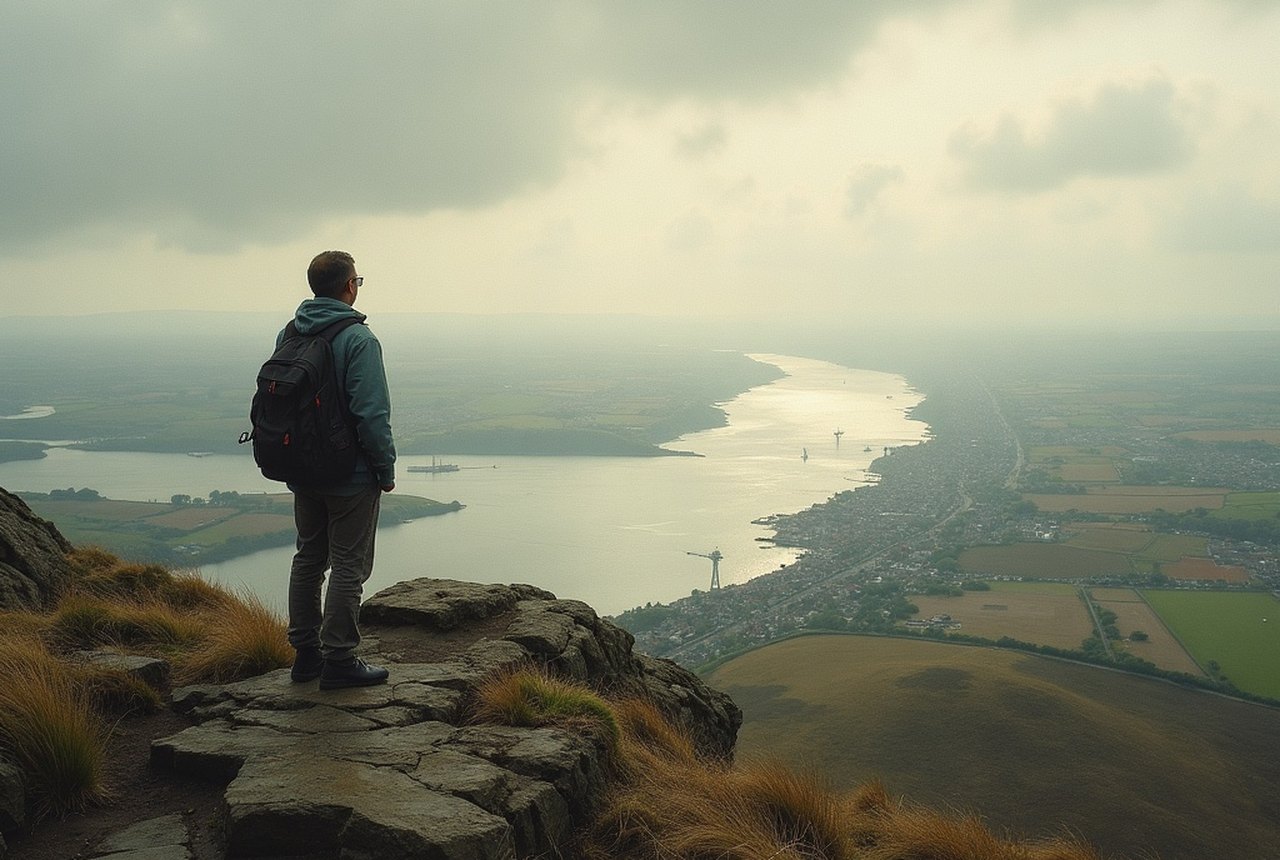
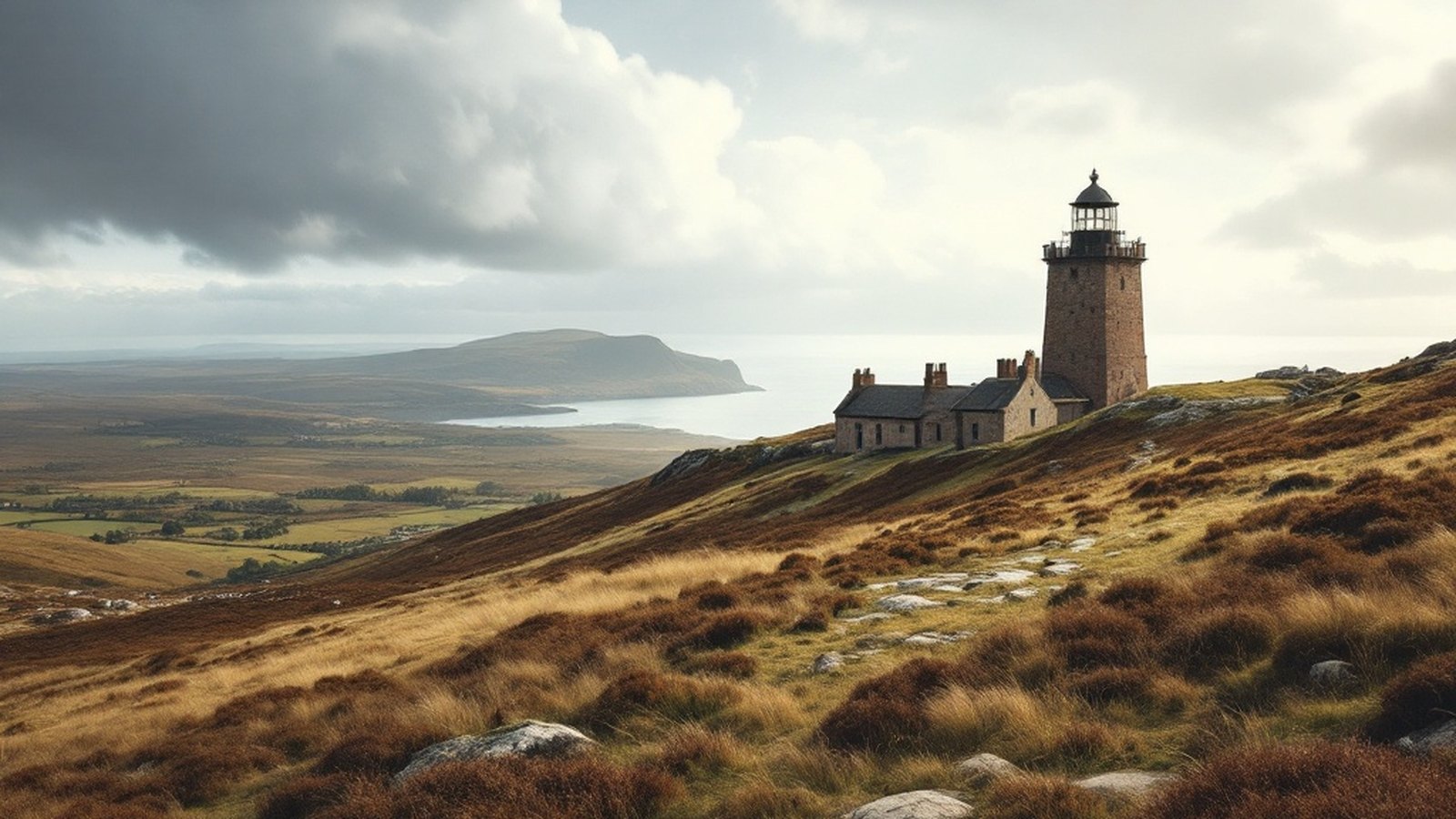
Traprain Law rises from the East Lothian plain with the assurance of something that has always been there and always will be — a whaleback of phonolite lava, around 221 metres at its summit, visible from most of the county and from the Forth beyond. It earned that presence. For much of the first millennium BC and well into the Roman period, Traprain was the principal stronghold of the Votadini, the tribe whose territory encompassed what is now south-east Scotland and Northumberland. The hillfort that crowned it was, at its greatest extent, one of the largest oppida in northern Britain — a fortified settlement of perhaps forty acres, complete with internal buildings, metalworking and the dense material culture of a functioning capital rather than a mere refuge.
The Votadini occupied an unusual position during the Roman occupation of Britain. Their territory lay beyond Hadrian’s Wall, yet the archaeological record suggests a sustained and largely pragmatic relationship with Rome: trade goods, prestige objects and coinage appear consistently at Traprain, pointing to a client-kingdom arrangement that served both parties. The hill was not sacked; it was engaged with. Which makes what lies beneath its surface all the more extraordinary.
Iron-Age tribe of south-east Scotland and Northumberland; Traprain was their capital
archaeologist who directed the 1919 excavation for the Society of Antiquaries of Scotland
learned society that sponsored the Traprain excavations
§ IIThe Hoard of AD 400
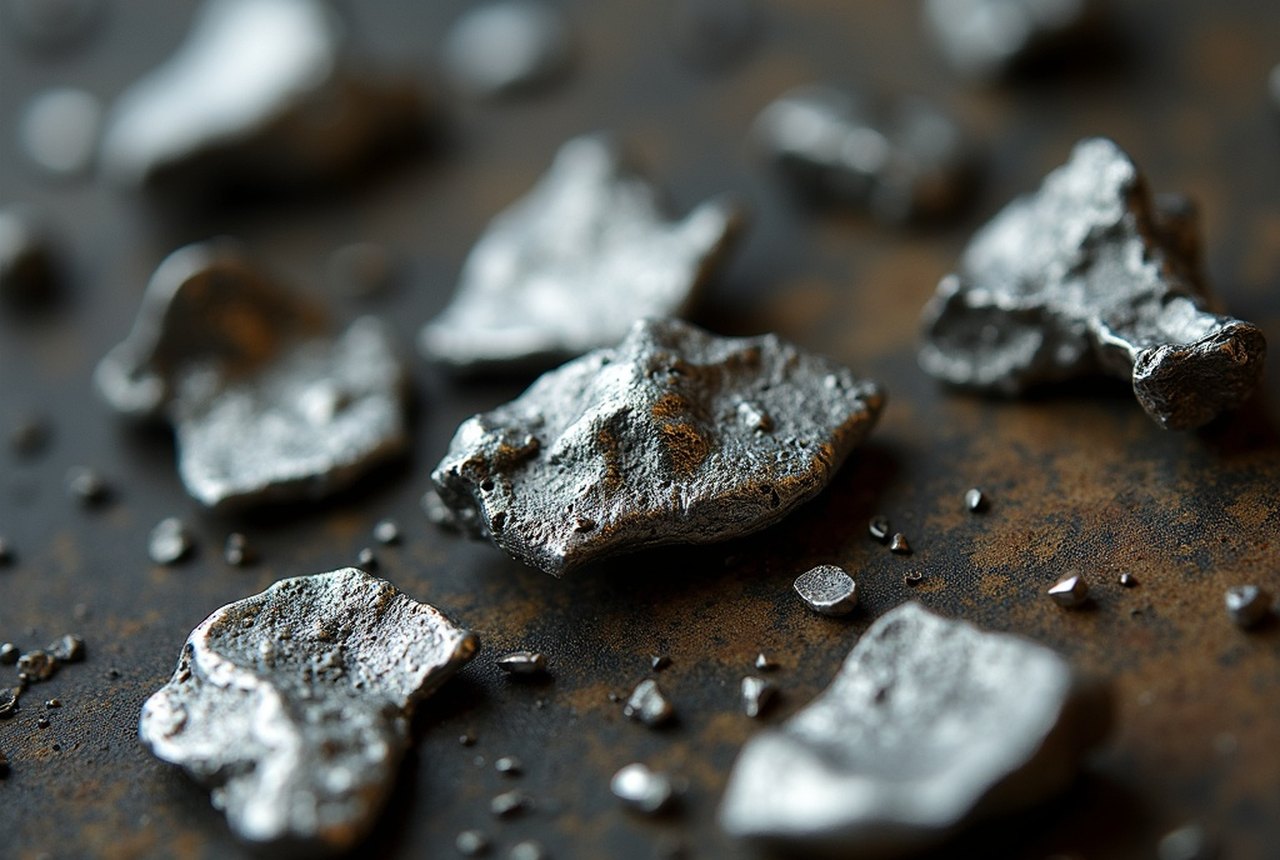
In 1919, excavations directed by Alexander Curle on behalf of the Society of Antiquaries of Scotland broke open a pit near the summit and found approximately 23 kilograms of silver — some 250 objects, largely smashed and folded into a compact mass ready for the melting-pot. The Traprain Treasure, as it became known, is the largest hoard of Roman hacksilver ever discovered outside the Roman Empire’s frontiers. The pieces — flagons, bowls, spoons, a strainer, fragments of decorated plate — are late Roman in character, datable to around AD 400, and include objects of Continental origin bearing Christian iconography. How they arrived on a hillfort in East Lothian remains genuinely debated: legitimate payment to allied leaders, loot, or diplomatic gift. No consensus has settled the matter.
The hoard passed to the National Museum of Scotland in Edinburgh, where the finest pieces remain on permanent display. Traprain Law itself — now a scheduled ancient monument and a Site of Special Scientific Interest for its geology — still draws walkers and antiquarians alike. The view from the summit has changed less than almost anything else in the county. The Roman world is gone; the silver is in a glass case on Chambers Street; the Law remains precisely where the Votadini left it.
The Traprain Treasure, as it became known, is the largest hoard of Roman hacksilver ever discovered outside the Roman Empire’s frontiers
In brief — a chronology
- First millennium BC onwardVotadini establish and develop the Traprain hillfort
- Roman period (1st–4th century AD)client-kingdom relationship with Rome attested by finds
- c. AD 400silver hoard buried on the hilltop
- 1919Alexander Curle's excavation uncovers the hoard