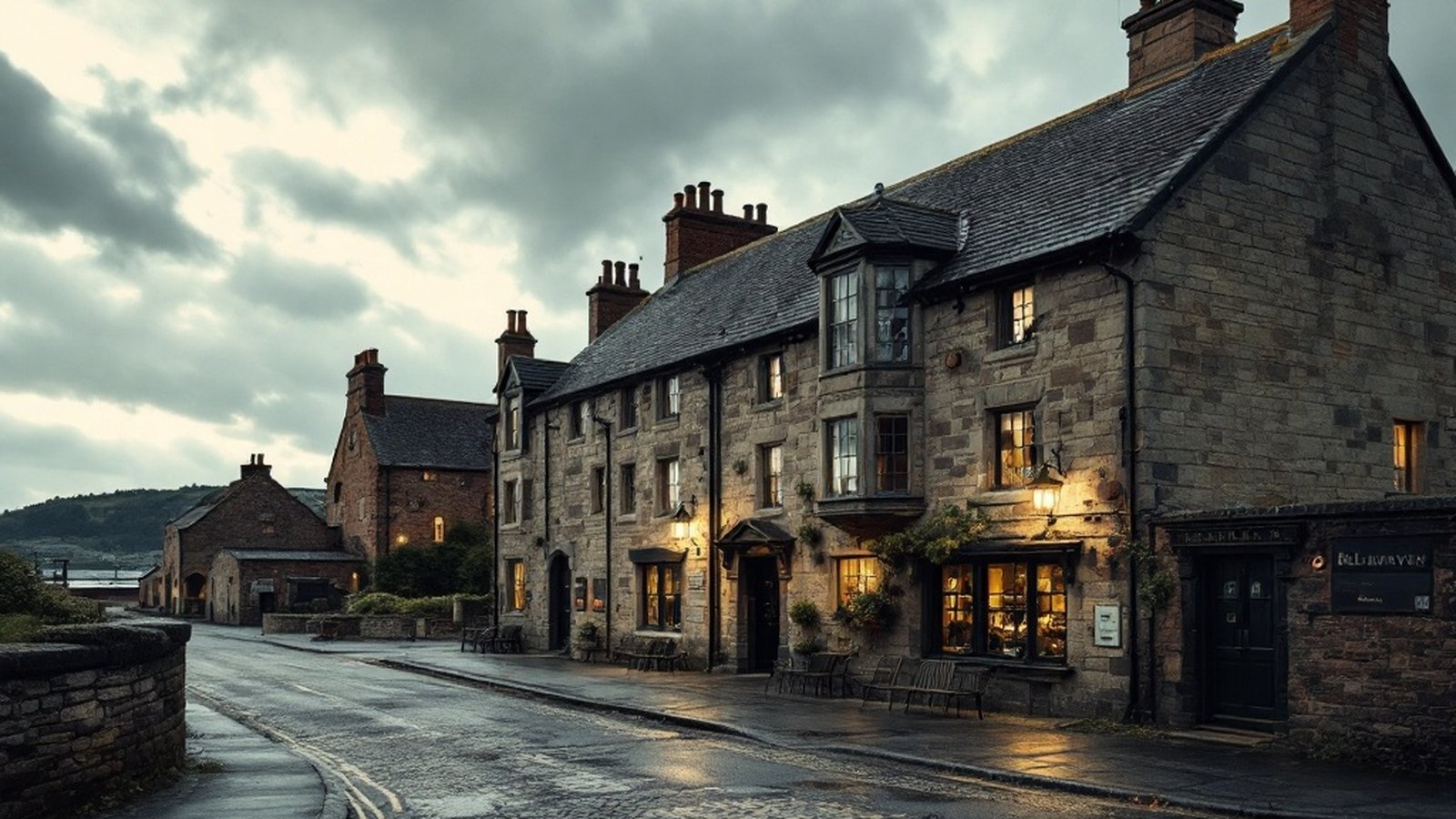
Belhaven Brewery sits at the edge of the small coastal village of Belhaven, barely a mile west of Dunbar, where the land flattens toward the Firth of Forth and the fields behind it have grown malting barley for centuries. Beer has been brewed on this site since at least 1719, making Belhaven one of the oldest continuously operating breweries in Scotland — and its longevity is inseparable from the particular character of the place.
small coastal village west of Dunbar, Firth of Forth shore
one of Scotland's oldest continuously operating breweries
upland range sheltering East Lothian, lending its name to local lamb
§ IIBarley, Water and the East Lothian Ground
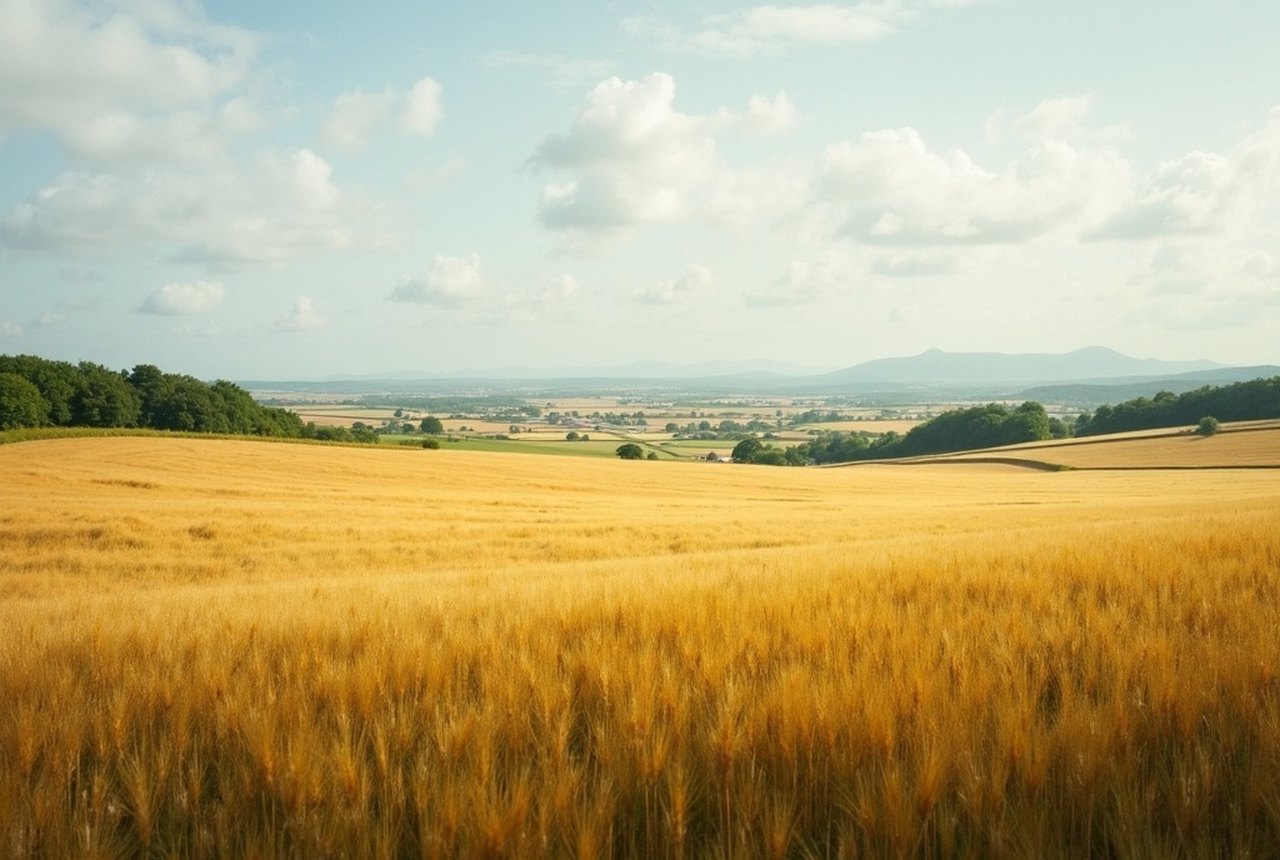
East Lothian has long been called the market garden of Scotland, and with some justice: the county’s light, well-drained soils and comparatively dry climate — sheltered from the west by the Lammermuirs — produce some of the finest malting barley in Britain. That agricultural fact underwrites Belhaven’s brewing tradition as directly as any recipe. The brewery also draws on local well water, whose mineral character has shaped the ales brewed here across three centuries. Neither ingredient travels far.
The village of Belhaven itself is modest — a scatter of houses beside the shore — but the brewery has always been its most substantial presence. The site retains older stone buildings alongside later additions, and the brewhouse remains a working concern rather than a heritage attraction.
That agricultural fact underwrites Belhaven’s brewing tradition as directly as any recipe
In brief — a chronology
- 1719brewing recorded at Belhaven
- 20th centurybrewery changes ownership more than once
- Presentbrewing continues on site under Greene King ownership
§ IIIAle at the County Table
Belhaven’s range is anchored by its cask ales, of which the best known is its Scottish Ale — a malty, lightly hopped style characteristic of the Scottish brewing tradition, quite distinct from the bitter, hop-forward ales of northern England. The style suits the East Lothian table well: robust enough to accompany Lammermuir lamb or a plate of smoked fish from the Forth, yet balanced enough to drink without food, which is presumably how most of it is consumed.
The brewery changed hands more than once in the twentieth century and is today owned by Greene King, a fact that prompts mixed feelings among those who prefer their local ale to remain local in every sense. The brewing, however, continues at Belhaven itself, and the connection between the county’s barley fields and the liquid in the glass remains real rather than merely sentimental.
For anyone exploring East Lothian’s table — its farm produce, its harbour towns, its persistent identity as a place that has fed others for a long time — a pint of Belhaven in Dunbar is as much a piece of the county’s history as a visit to any of its museums.