§ IThe Building Itself
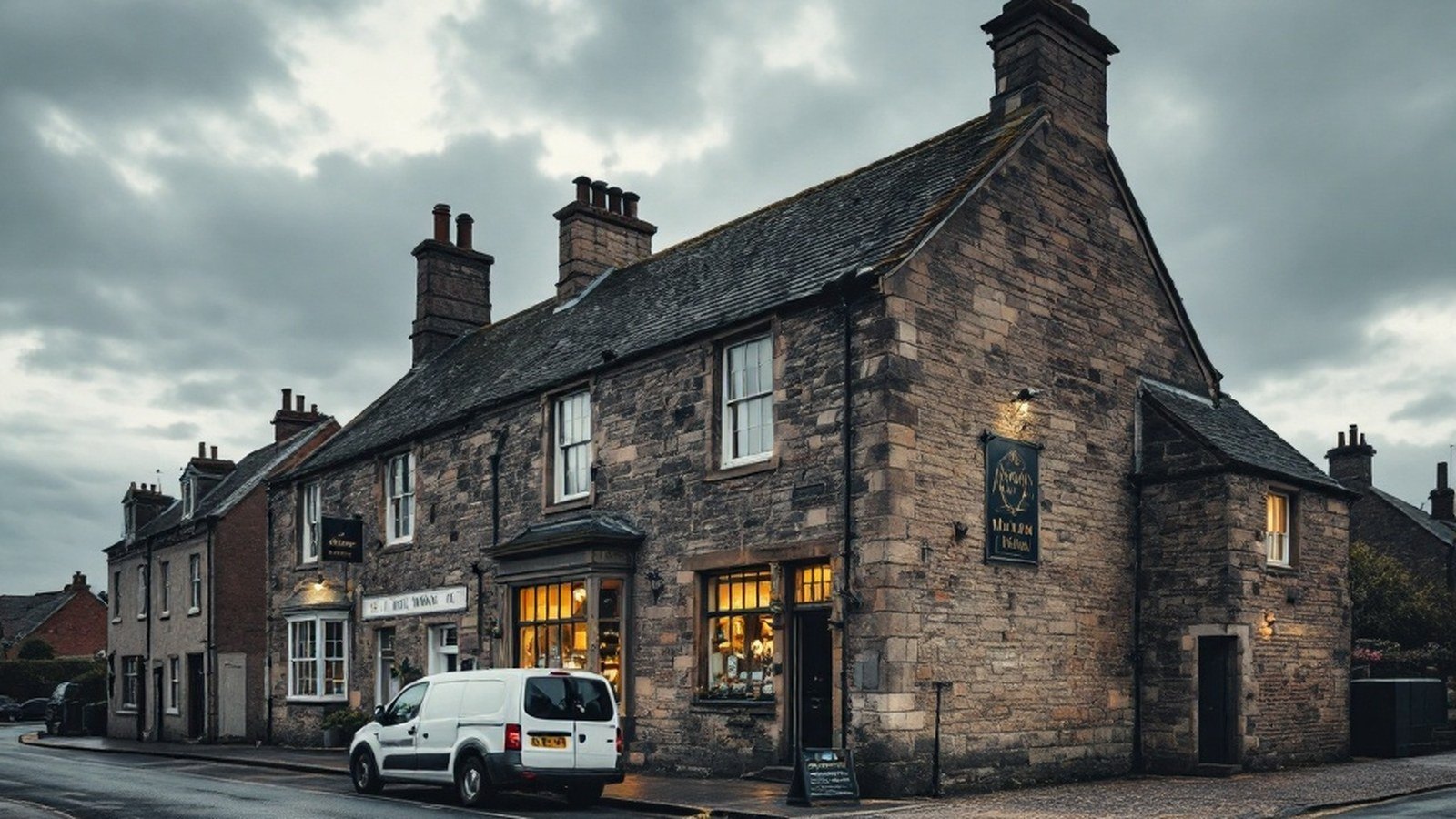
Dunbar’s Town House Museum and Gallery occupies one of the most functionally loaded buildings on the High Street: a sixteenth-century tolbooth that has served, in its long career, as council chamber, courthouse, and jail. The word tolbooth — from the booth where tolls were gathered — became, across the Scottish burghs, shorthand for the entire apparatus of civic authority housed under one roof. Here magistrates heard cases, merchants paid dues, and those who fell foul of the law spent uncomfortable nights beneath the same stonework. The building’s rubble masonry and later harled facade belong to that no-nonsense tradition of Scottish burgh architecture in which function shapes form without apology; there is no grand portico, no civic swagger, simply the weight of accumulated purpose.
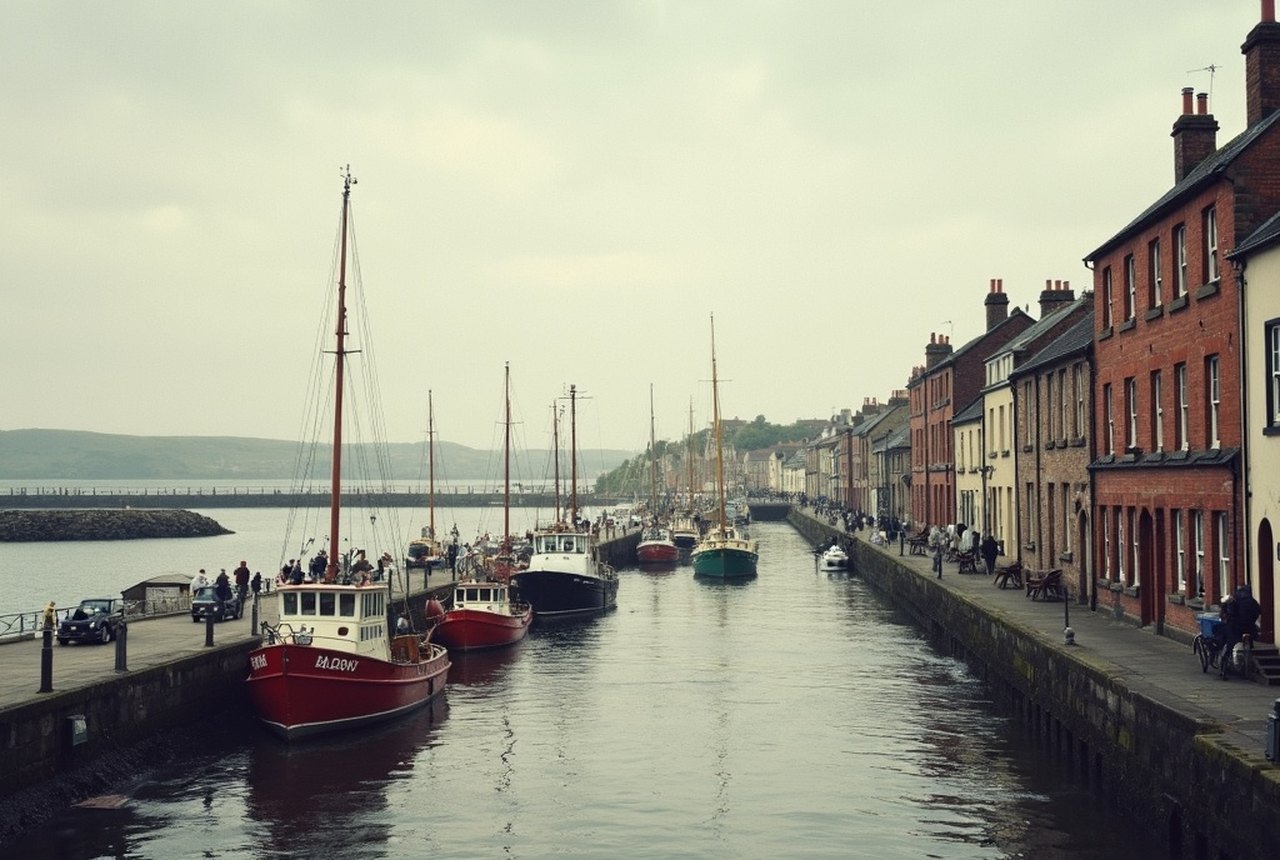
The structure stands near the centre of the High Street, which runs back from Dunbar’s remarkable natural harbour — one of the best on the southern shore of the Firth of Forth. That harbour shaped everything: the town’s herring trade, its export of coal from the Lothian field, the comings and goings of fishing families whose surnames recur across the museum’s social history displays. The proximity of the tolbooth to the harbour mouth is not coincidental. Burgh administration and maritime commerce were inseparable in towns like Dunbar, and the tolbooth stood as their joint monument.
§ IIWhat the Museum Holds
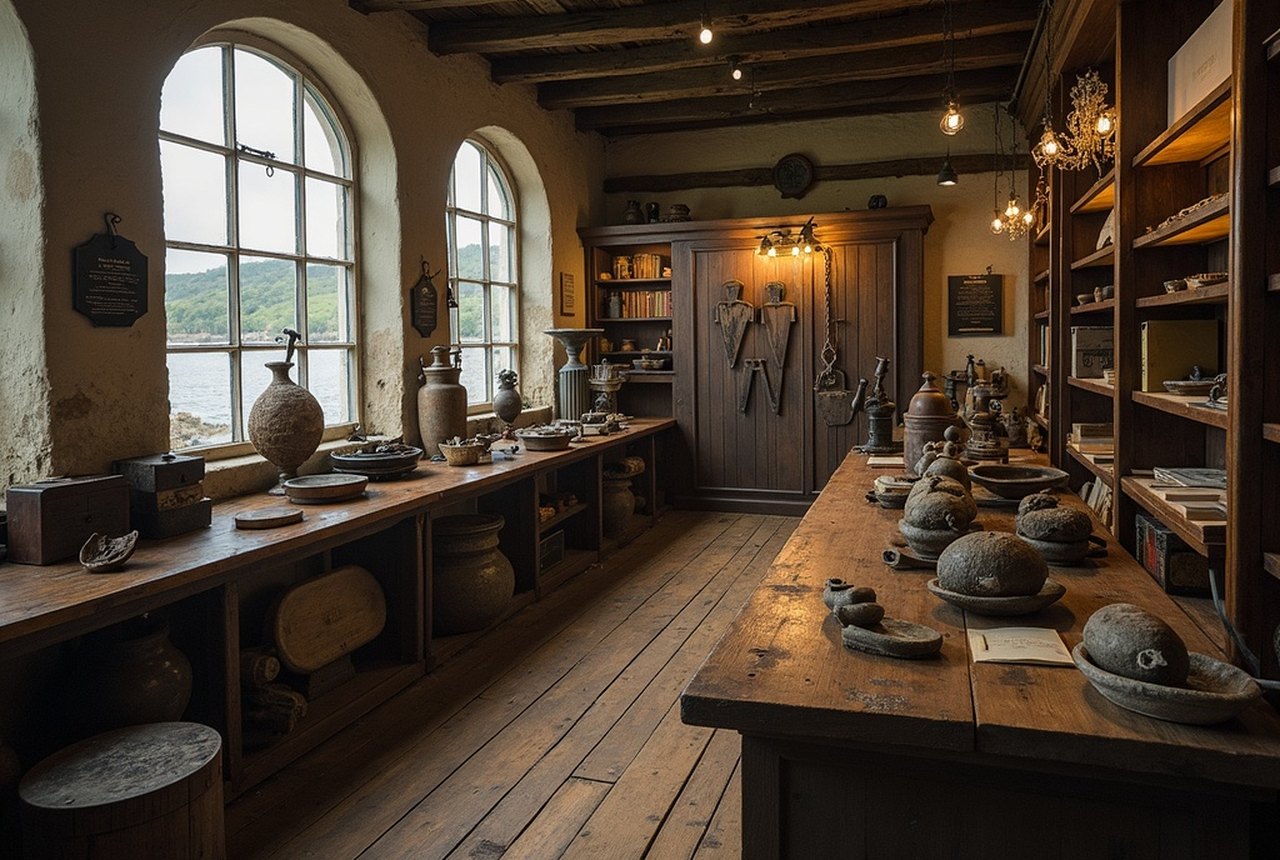
The collection inside reaches considerably further back than the building’s own sixteenth-century origins. East Lothian is archaeologically rich country — Traprain Law, a few miles west, was the capital of the Votadini tribe and the findspot of a remarkable late-Roman silver hoard now held in the National Museum of Scotland — and Dunbar Town House Museum reflects that depth with displays covering the prehistoric and early historic periods. Flint tools, pottery and other material drawn from local excavations give the region’s deep past a tangible presence in what is otherwise a very domestic-scaled gallery.
Social history is the museum’s true strength. The herring fishery that once sustained Dunbar’s economy features prominently — the boats, the gear, the curing, the women who gutted and packed with practiced speed while the men crewed the drifters. There is material, too, on the town’s market-garden hinterland: East Lothian earned its reputation as the market garden of Scotland on the strength of its unusually fertile soils and clement microclimate, and the produce of its fields fed Edinburgh and beyond for generations. Taken together, these threads — fishing, farming, the civic life administered from this very building — amount to a rounded portrait of a small Scottish coastal town that punched well above its weight.
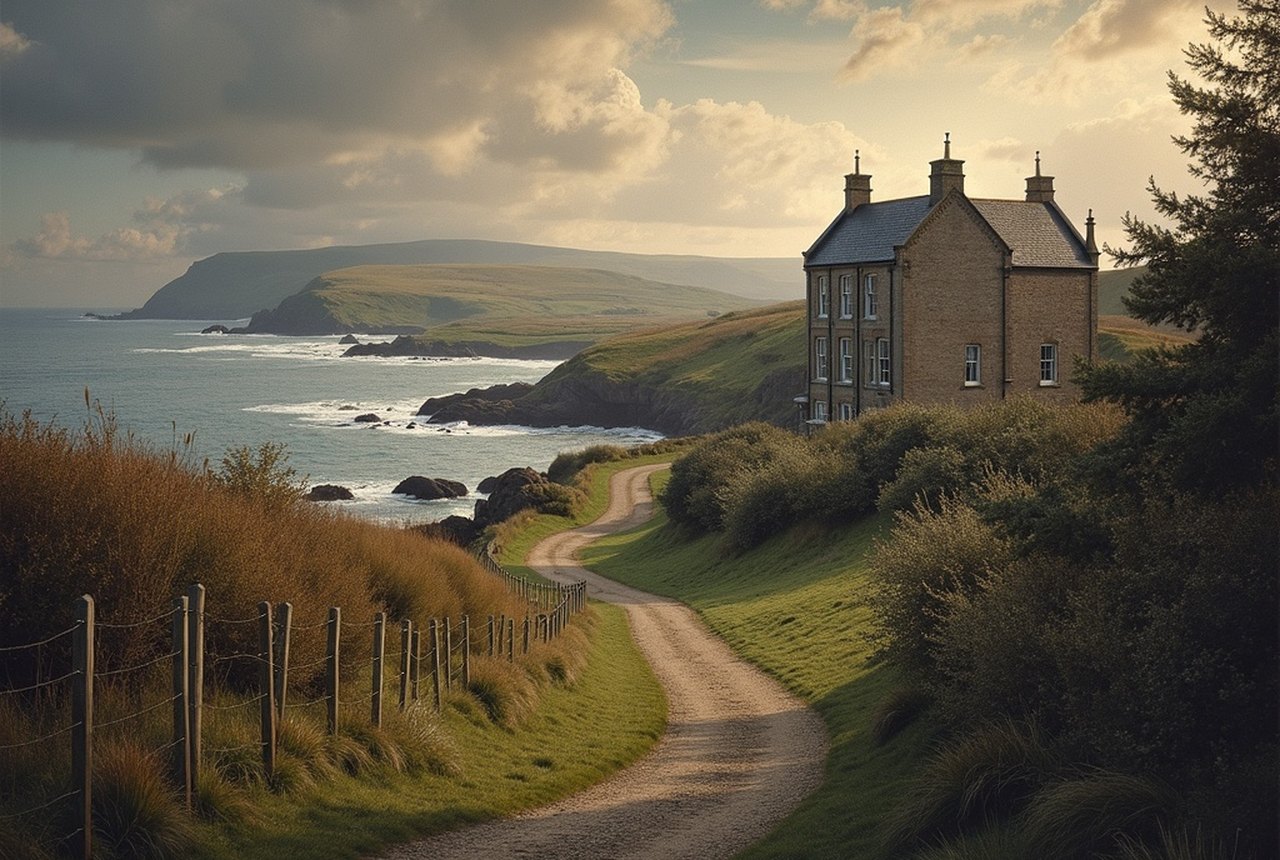
Dunbar’s most famous son, John Muir, was born on the High Street in 1838, just a short walk from the tolbooth. The naturalist and wilderness advocate who would go on to co-found the Sierra Club in America spent his early years scrambling along this coastline and developing the voracious curiosity that later shaped American conservation. The museum acknowledges this connection, set against displays that help visitors understand the specific landscape — harbour, cliff, seabird, Firth — that formed him.
The collection inside reaches considerably further back than the building’s own sixteenth-century origins
In brief — a chronology
- 16th centurytolbooth constructed on Dunbar High Street
- 1838John Muir born on the High Street, Dunbar
- Late Roman perioddeposition of Traprain Law silver hoard (context for archaeology displays)
§ IIIThe Town's Own Museum
Scottish burgh museums occupy a particular niche. They are neither the grand civic collections of Edinburgh or Glasgow nor the specialist industrial sites of the Prestongrange type; they are instead the repositories of local memory, places where a community deposits what it considers worth keeping. Dunbar Town House Museum performs this function with modest distinction. It is run by East Lothian Council’s museums service and admission is free, which ensures it remains genuinely accessible to the community it serves rather than becoming a heritage experience aimed exclusively at visitors.
The tolbooth’s own biography — toll-collector, council chamber, court, prison, museum — is itself the most eloquent exhibit on display. Few buildings in East Lothian have been asked to do so much for so long. That the same walls now hold Mesolithic flint and fishing-net needles, photographs of gutting crews and maps of the harbour approaches, is not irony but continuity: the burgh still keeps its records here, only now the records run to several thousand years.