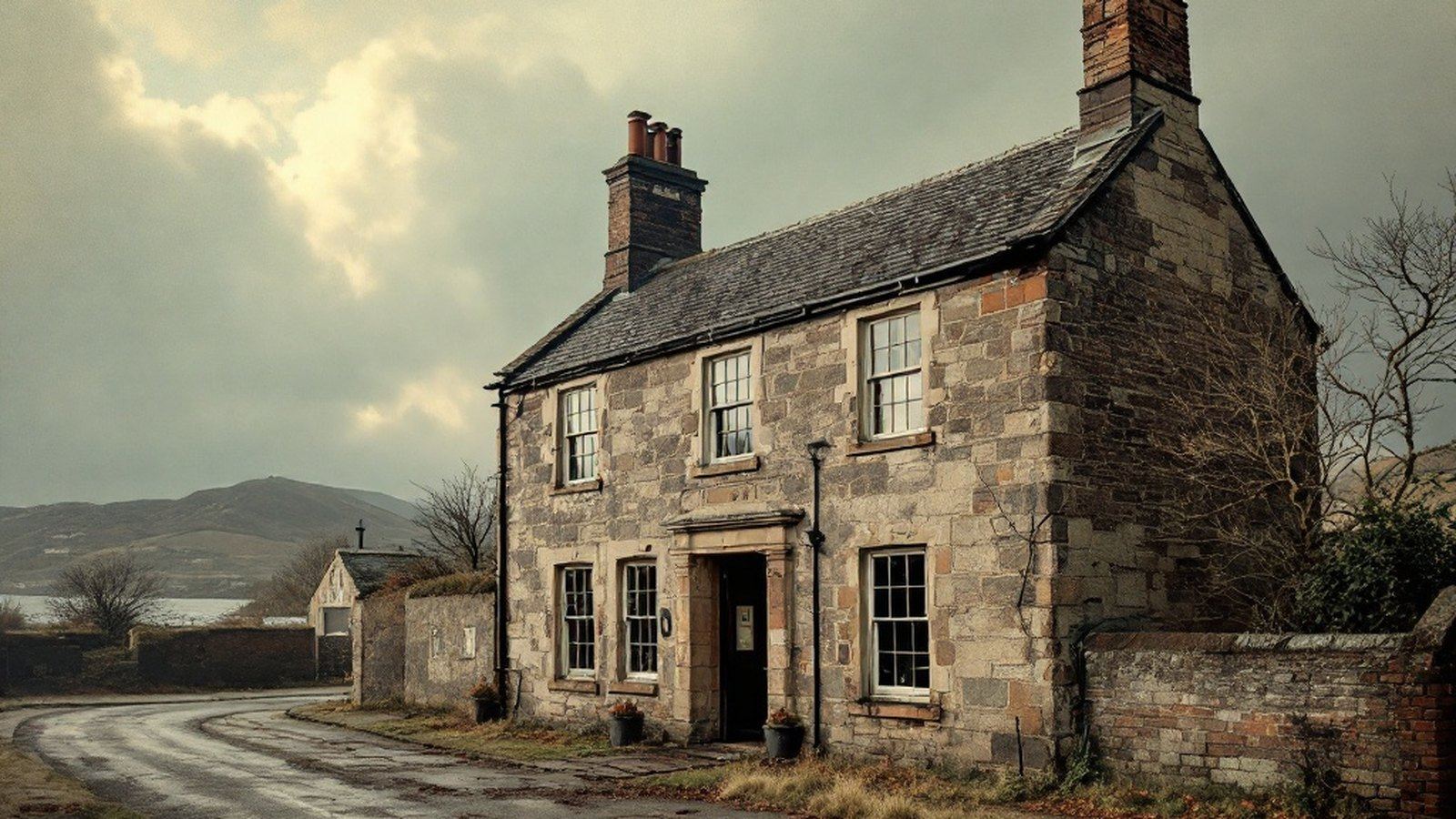
North Berwick’s Coastal Communities Museum occupies the town’s former school building on School Road, a modest but well-chosen home for a collection that punches well above its size. This is not a grand civic institution. It is a volunteer-run museum in the fullest sense: a community keeping its own memory, on its own terms.
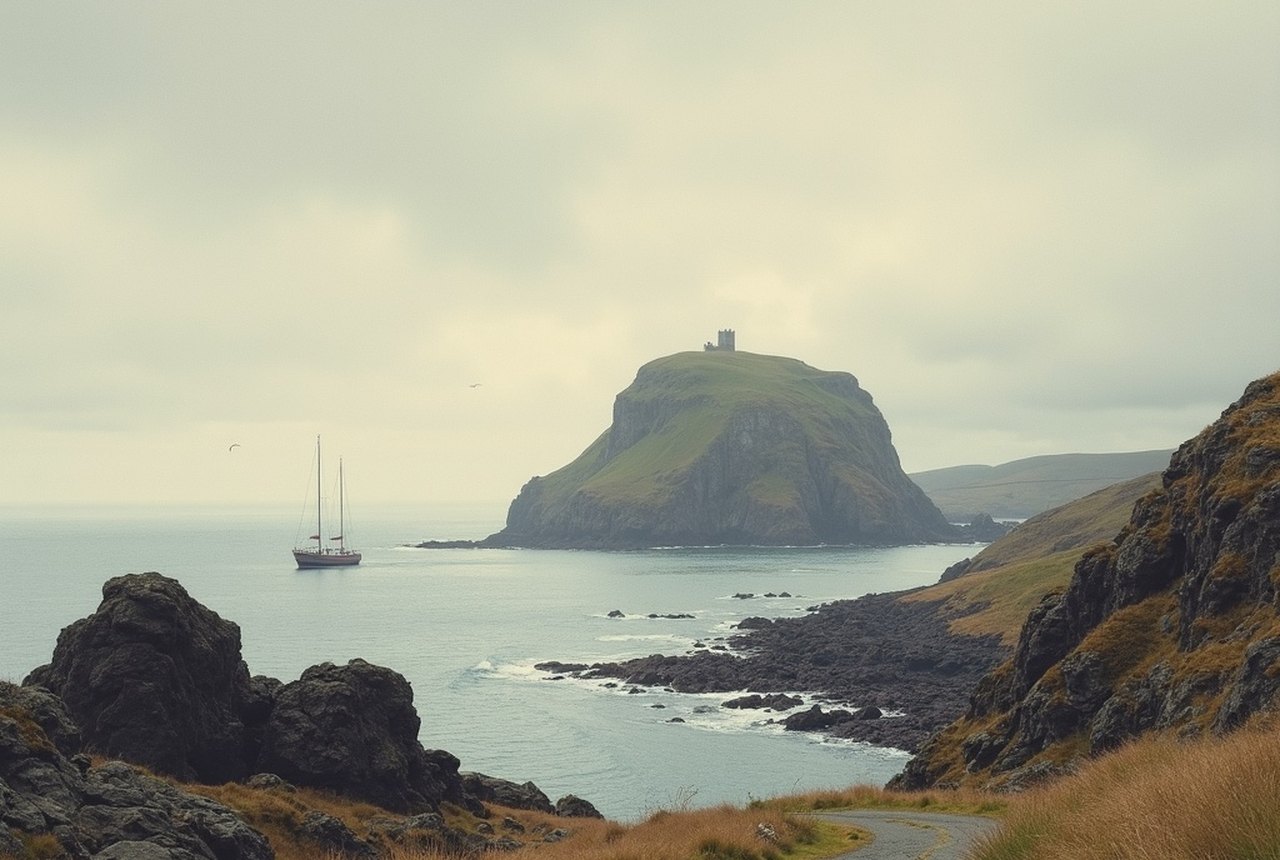
volcanic dolerite stack, two miles offshore from North Berwick, with lighthouse from 1902
volunteer-run museum in the former school building, School Road, North Berwick
company whose line brought Victorian holidaymakers to North Berwick
§ IIWhat the Collection Holds
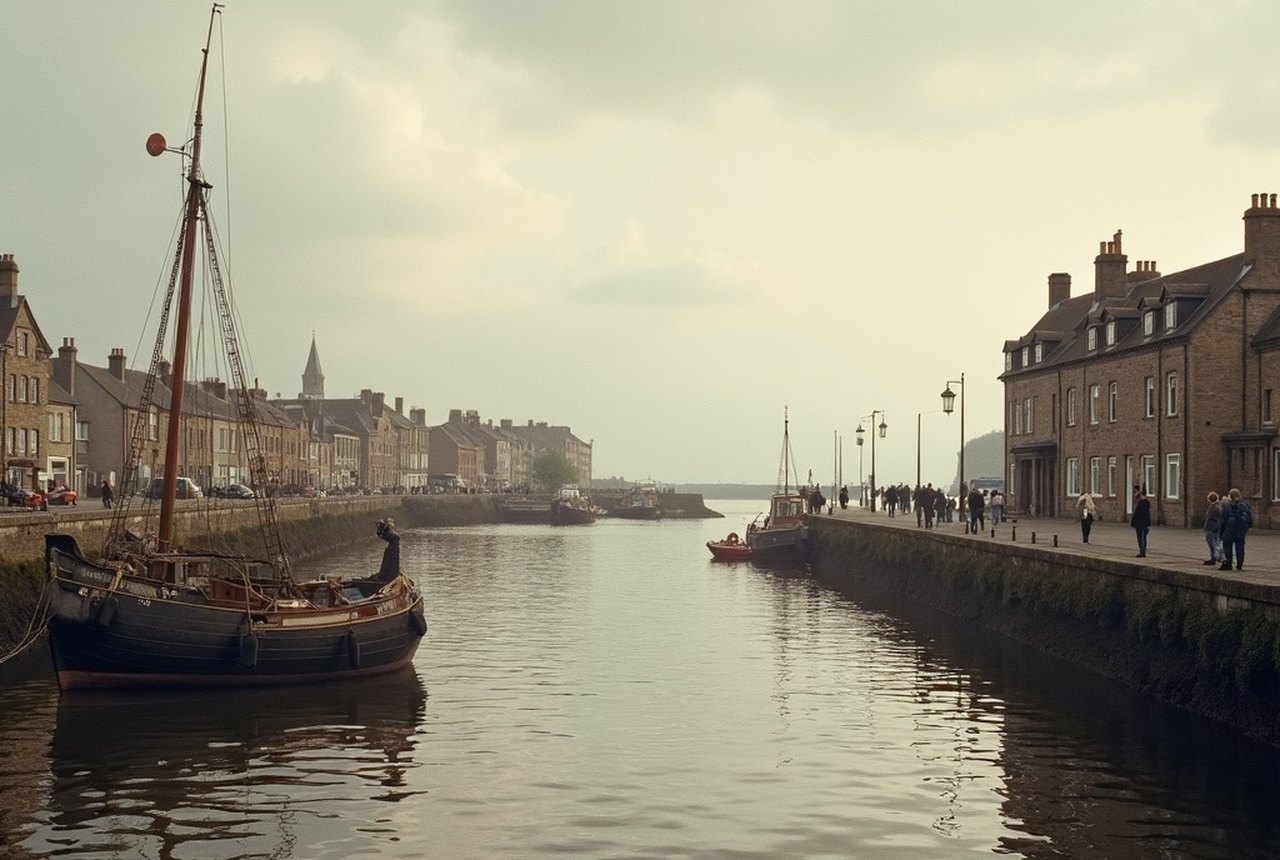
The displays work through the several lives North Berwick has led. Before the Victorian railway made it a resort, this was a working fishing town, and the museum holds the material evidence: lines and creels, photographs of the harbour busy with boats, records of the men and families who worked the Firth of Forth for herring and lobster. The Bass Rock looms in many of the images, as it does in life — the great dolerite stack two miles offshore whose lighthouse has marked the Firth since 1902.
Golf is inevitably present. North Berwick’s links date to the sixteenth century, and the West Links course has attracted players of international standing for well over a hundred years. The museum captures something of that long relationship between the town and the game without tipping into the glossy promotion that golf so often attracts in East Lothian.
The Victorian and Edwardian holiday trade is, perhaps, the richest seam. The arrival of the North British Railway transformed North Berwick from a quiet burgh into what became known, with only slight exaggeration, as the Biarritz of the North. Bathing machines, day-trippers, the grand hotels along the shore — the museum maps the social geography of a seaside town at its fashionable peak, complete with the genteel rituals that went with it.
Lifeboat history adds a harder note. The RNLI connection here is long and, at times, costly; the museum does not shy from the sea’s capacity for harm alongside its pleasures.
The displays work through the several lives North Berwick has led
§ IIIScale and Spirit
Small museums live or die by editorial judgement, and the Coastal Communities Museum uses its space honestly. Nothing is overexplained; nothing important is omitted. The volunteers who maintain it are themselves part of the story — custodians of a place that still fishes a little, still golfs a great deal, and still watches the Bass Rock from the harbour wall.
It is the kind of museum a Pevsner guide would have noted approvingly: unpretentious, particular, and quietly indispensable.