The Battle of Prestonpans lasted perhaps ten minutes. In that brief, violent dawn, a government army was destroyed and Scotland held its breath.
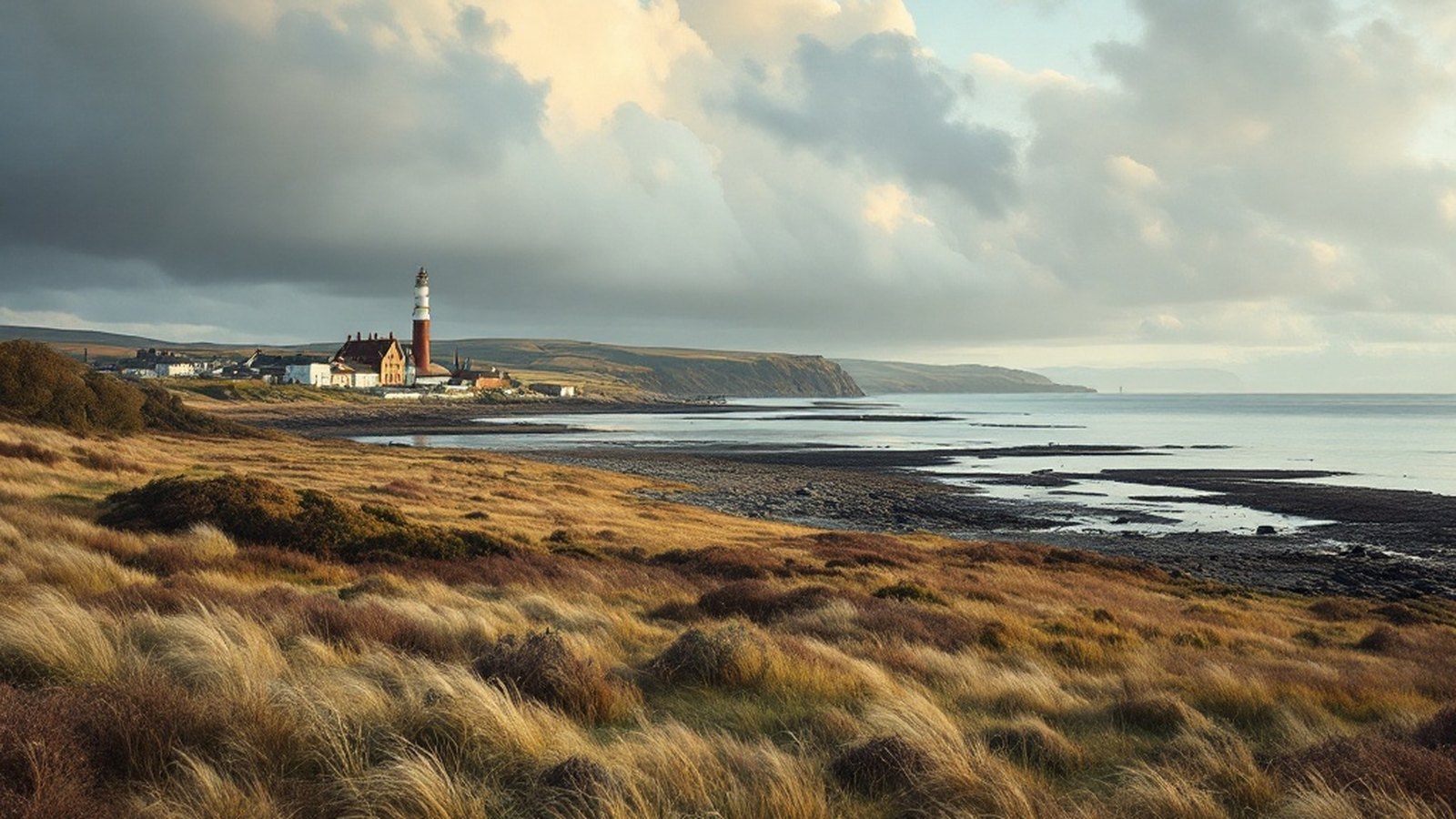
The site chosen by fate and geography lies on the coastal plain east of Edinburgh, where the land between Prestonpans and Cockenzie runs flat and open toward the Firth of Forth. In September 1745 it was crossed by a boggy morass that, in the days before the battle, proved the decisive tactical obstacle of the entire engagement. Sir John Cope, the government commander, had drawn up his force of around 2,300 infantry, dragoons and artillery along its southern edge, confident that the marsh protected his front. His confidence was not unreasonable. What he did not know was that a local man, Robert Anderson of Whitburgh, knew a path through.
Prince Charles Edward Stuart — "Bonnie Prince Charlie" to later romanticists — had landed at Glenfinnan in August and raised the Jacobite standard with remarkable speed. His Highland army, perhaps 2,500 strong, had taken Edinburgh without a fight and was now seeking a confrontation with Cope before government reinforcements could arrive. The Highland officers had been probing for a way across the marsh for days. Anderson’s local knowledge supplied it: a narrow, firm causeway through the bog, wide enough to take men in column.
§ IIThe Charge
In the small hours of 21 September 1745, the Highland army moved in darkness and near-silence. The passage through the marsh was difficult and slow — men stumbling in the dark, the path barely adequate — but by the time the eastern sky was lightening, the army had crossed and was forming on Cope’s flank, almost where his front should have been. A government patrol raised the alarm, but the warning came far too late.
Cope attempted to wheel his line to meet the new threat, but the redeployment was incomplete when the Highland charge was launched. The charge — a mass rush with broadsword and targe, preceded by a volley of musketry — was the standard Jacobite shock tactic, and here it met an army still in motion and already shaken. Cope’s artillery fired barely once before the gun crews broke. The dragoons, whom Cope had hoped might steady the line, wheeled and fled almost immediately. The infantry, many of them raw recruits, had no time to form square or present a coordinated defence. Within minutes — contemporary accounts speak of ten minutes; some say less — the government force had dissolved. The dead numbered perhaps 400 to 500; more than 1,400 were taken prisoner. Cope himself escaped on horseback and rode for Berwick, carrying news of his own defeat, which gave rise to the sardonic song Hey Johnnie Cope that is still played as a reveille in the Royal Scots Dragoon Guards.
In the small hours of 21 September 1745, the Highland army moved in darkness and near-silence
§ IIIGround and Aftermath
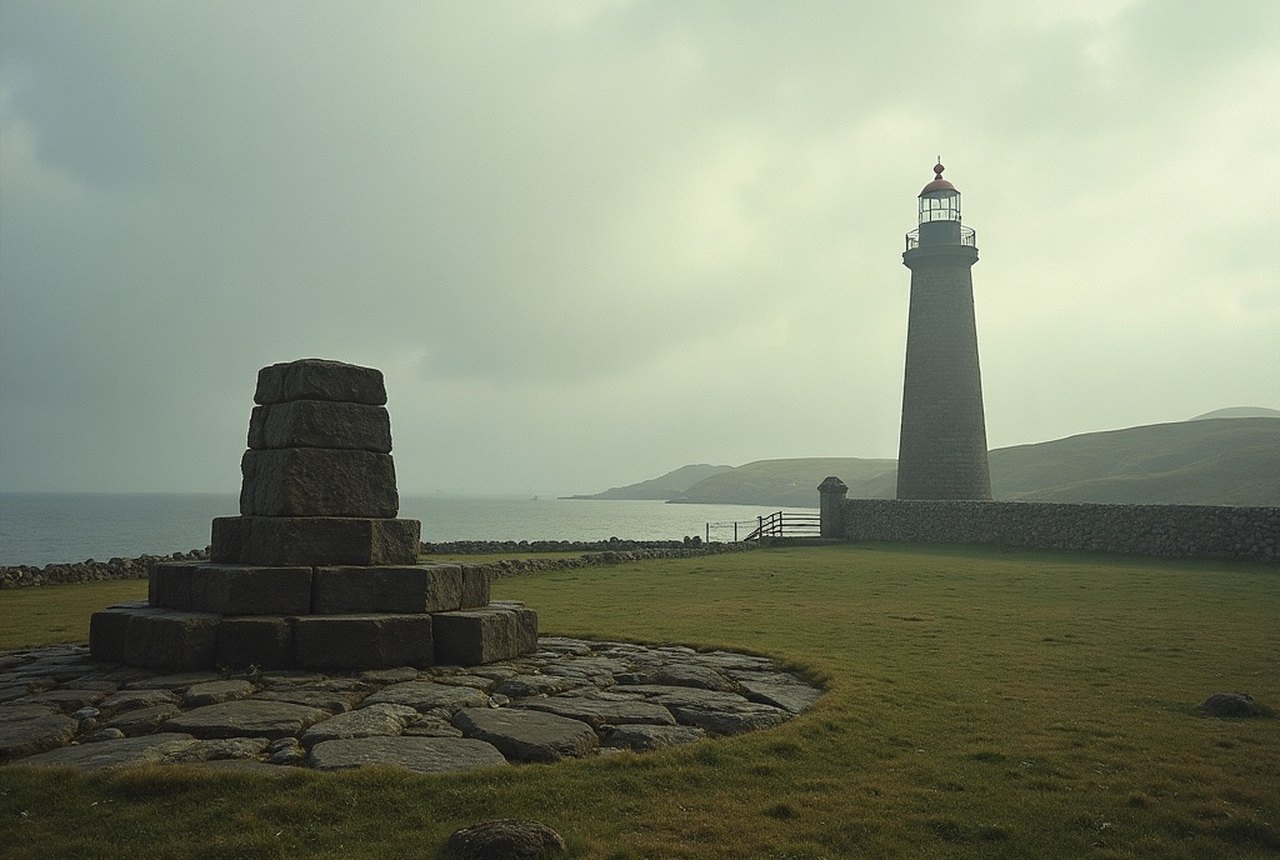
The battlefield sits largely under modern settlement and the eastern edge of the former Prestongrange estate, but enough of the essential ground survives to read the action clearly on foot. The Forth is visible to the north; the slight ridge along which Cope’s line stood can still be traced. A memorial cairn marks the site, and the field retains its essential flatness and openness — the very qualities that made a flanking surprise so catastrophic once the marsh barrier was bypassed.
The human consequence was immediate and sharp. The Jacobite army now controlled Scotland south of the Great Glen, and Charles spent the autumn at Holyroodhouse in Edinburgh before the march into England that would reach Derby and then, fatally, retreat. Prestonpans itself entered local memory deeply: farmhouses and walls nearby still bear the name "Johnnie Cope’s field" in popular usage.
In brief — a chronology
- August 1745Prince Charles Edward Stuart raises the Jacobite standard at Glenfinnan
- September 1745Edinburgh falls to the Jacobites without a fight
- 21 September 1745Battle of Prestonpans; government army routed at dawn
- Autumn 1745Charles occupies Holyroodhouse; Jacobite army advances into England
- December 1745retreat from Derby begins; the campaign's high-water mark passes
| Jacobite army — Charles Edward Stuart | Government army — Sir John Cope | |
|---|---|---|
| Strength | Roughly 2,400 Highlanders | Roughly 2,300 regulars |
| The approach | Across the marsh at dawn, by a local’s path | Drawn up facing the wrong way |
| Duration | The charge broke Cope’s line in about ten minutes | |
§ IVKeeping the Battlefield
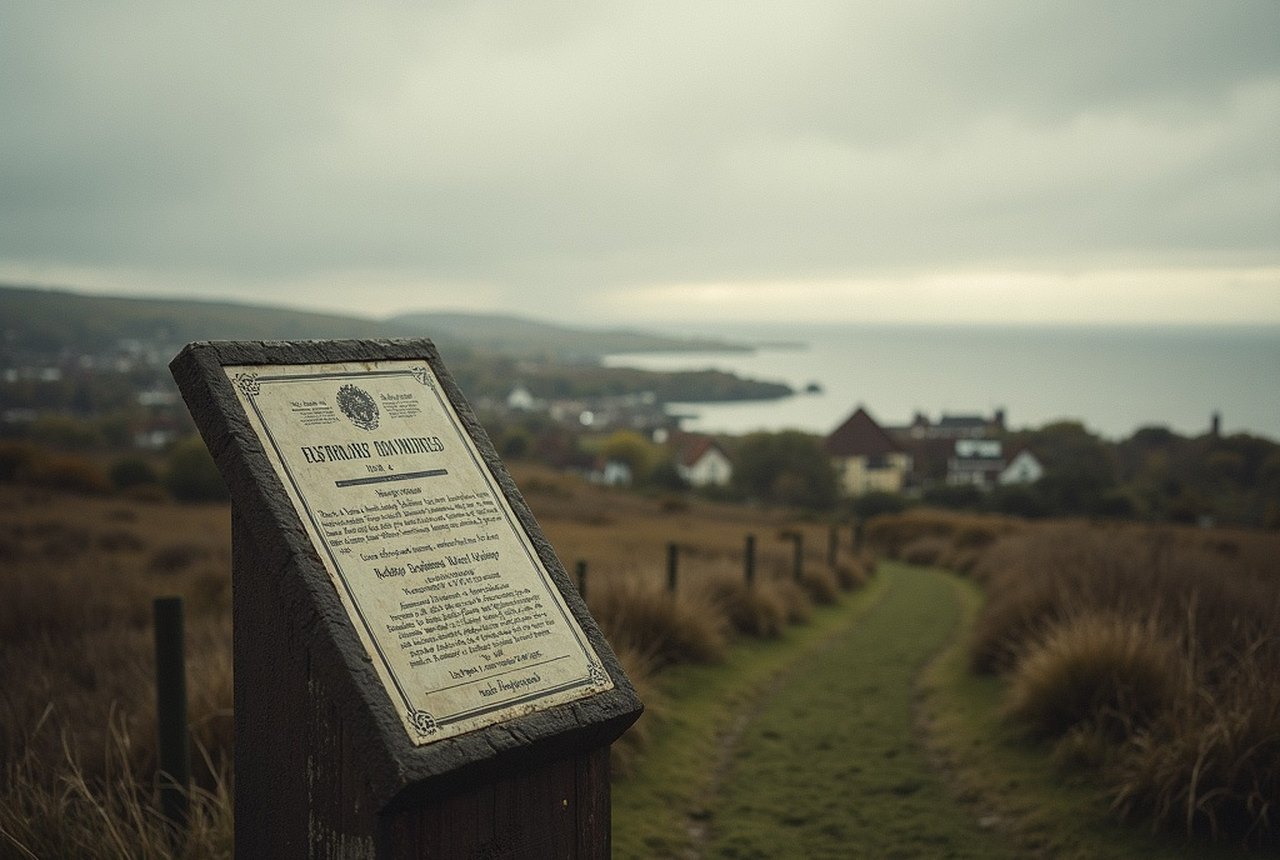
The Prestonpans Battlefield Heritage Trust — the principal body dedicated to the site — has worked to interpret and protect what remains, placing interpretation panels on the ground and campaigning for recognition of the battlefield’s significance. The field is registered on Historic Environment Scotland’s Inventory of Historic Battlefields, which gives it a degree of formal protection and obliges planning authorities to consult before permitting development. For a visitor who cares about landscape and military history, a morning spent walking the ground rewards close attention — the flatness itself is eloquent.