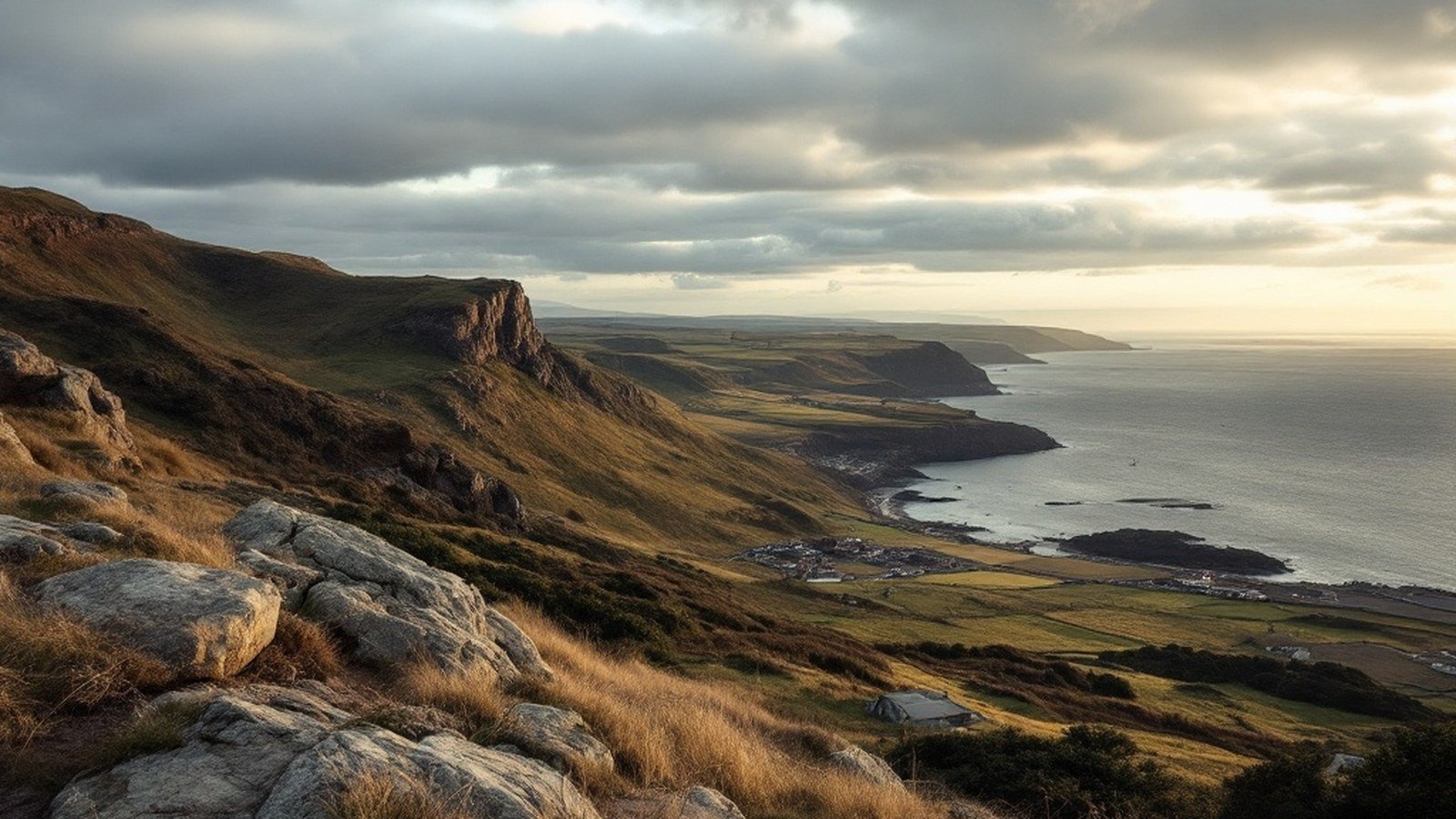
On the morning of 3 September 1650, Oliver Cromwell’s New Model Army stood with its back to the sea at Dunbar, outnumbered, short of supplies, and apparently cornered. By mid-morning the fight was over, the Covenanter army was broken, and one of the most tactically decisive engagements ever fought on Scottish soil had lasted little more than an hour. The wonder of Dunbar is not the outcome but the speed of it.
Cromwell had marched north into Scotland in July, seeking to neutralise the threat of a Scottish king — Charles II had accepted the Covenant and been proclaimed at Edinburgh — before it could mature into invasion. The campaign went badly. Disease thinned his army; the Scots under General David Leslie, a seasoned professional who had fought across Europe in the Thirty Years War, refused pitched battle and played a careful waiting game, fortifying Edinburgh and harrying the English supply lines. By late August, Cromwell was retreating toward Dunbar and his sea supply base at the harbour.
Leslie chose the dominant ground: Doon Hill, a long ridge south-east of the town, from which his army of perhaps 22,000 commanded every route the English might take. Cromwell’s force numbered roughly 11,000. The Scots needed only to hold the high ground and wait. Contemporary English observers in the army evidently thought the game was up; accounts written afterwards describe the English forces as hemmed against the sea.
§ IIThe Scots come down
What happened next has occupied military historians ever since. On the evening of 2 September, Leslie began moving his army off the ridge and down into the dead ground along the Brox Burn, crowding his forces onto a narrow front between the stream and the hills. The decision has been attributed to pressure from the Kirk’s Committee of Estates accompanying the army, whose ministers urged a more aggressive posture — though the detailed politics of that argument remain contested, and the attribution should be treated with caution. Whatever the reason, Leslie surrendered his tactical advantage and compressed his men into terrain that suited neither deployment nor retreat.
Cromwell and his commanders saw it. His cavalry and infantry launched a co-ordinated assault before dawn on 3 September, attacking the Scottish right flank across the burn while the foot pressed the centre. The Scottish horse — cramped, unable to manoeuvre — was pushed back into its own infantry. The Covenanter line collapsed with extraordinary speed. Cromwell’s own words, as recorded in his dispatches, describe the result in terms of providential certainty: the rout confirmed everything he already believed about divine mandate.
Scottish casualties in the field were significant; far larger numbers — variously put at between 9,000 and 10,000 men — were taken prisoner. What followed was grim. The captives were marched south under guard, many already weakened by disease and the privations of the campaign. Hundreds died on the road; those who reached Durham were held in the cathedral and castle, where conditions were severe and mortality high. Some surviving prisoners were subsequently transported to labour in the American colonies or the English fenland drainage works. The fate of the Dunbar prisoners is among the more sombre aftermaths of any seventeenth-century British engagement.
Whatever the reason, Leslie surrendered his tactical advantage and compressed his men into terrain that suited neither deployment nor retreat
The Lord hath delivered them into our hands.
— attributed to Oliver Cromwell, as the Scots came down from Doon Hill, 3 September 1650
In brief — a chronology
- July 1650Cromwell's army enters Scotland
- Late August 1650English retreat to Dunbar; Leslie occupies Doon Hill
- 2 September 1650Scottish army descends from the ridge to the Brox Burn
- 3 September 1650dawn assault; Scottish army routed within hours
- Aftermathprisoners marched to Durham; many die; survivors transported
| English army — Cromwell | Scots army — Leslie | |
|---|---|---|
| Strength | About 11,000, sick and cornered by the sea | About 22,000, holding the high ground |
| Position | Penned against the town and the shore | Doon Hill — then, fatally, the low ground |
| The day’s end | An improbable, total victory | Some 3,000 killed and thousands taken prisoner |
§ IIIHow Dunbar remembers
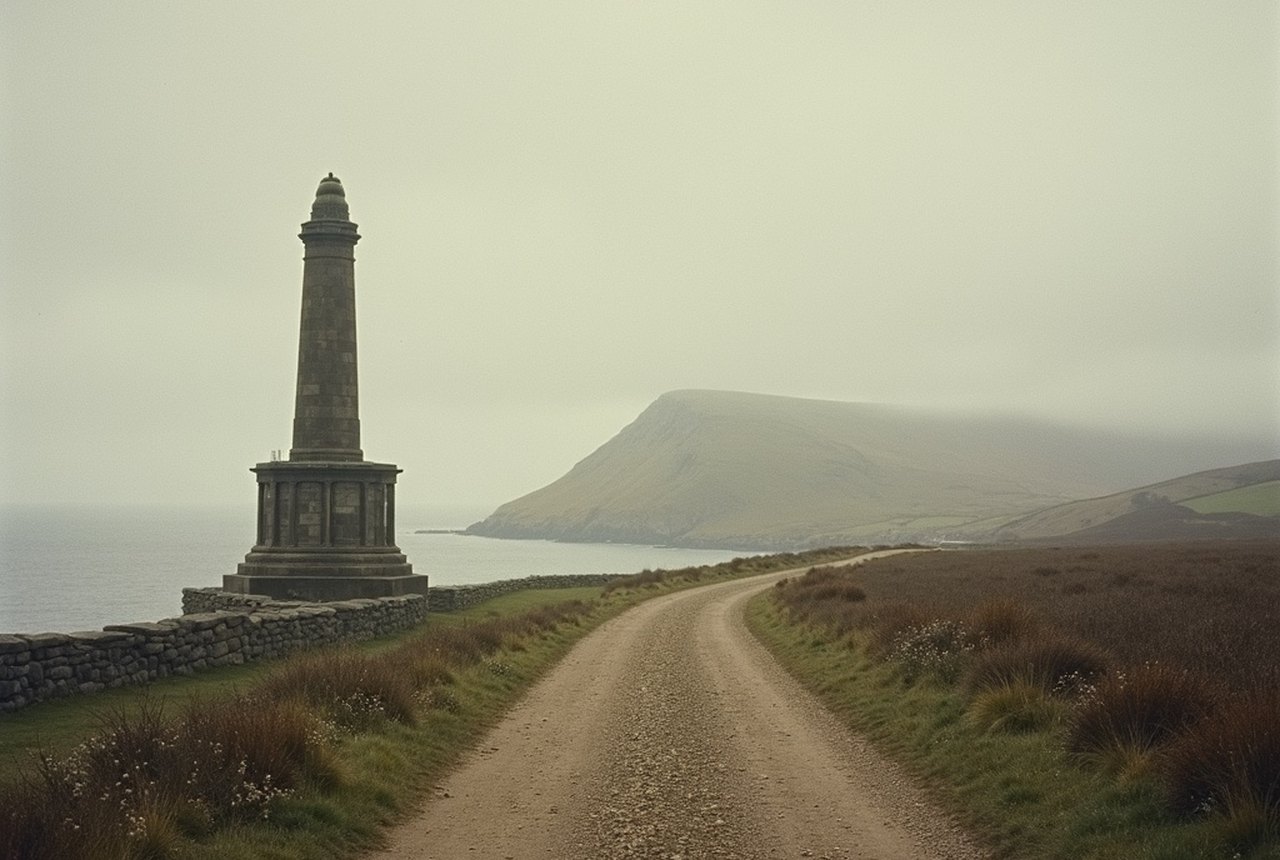
The town itself carries the memory lightly, as coastal towns tend to do with inconvenient history. A stone monument on the road south of Dunbar, erected in 1950, marks the approximate ground. The battle sits alongside the 1296 engagement at the same town and John Muir’s birthplace in 1838 as one of several competing claims on Dunbar’s historical identity — each quite different in character, all genuine.
Dunbar Town House Museum holds material relevant to the town’s longer story, and the wider context of seventeenth-century Scotland is well served by the holdings at the John Gray Centre in Haddington. Neither makes the battle its centrepiece, which is perhaps appropriate: Dunbar 1650 was England’s victory, not Scotland’s, and the ambivalence suits the subject.
Doon Hill itself is accessible on foot and rewards the climb — not for monuments, but for the view of the ground below, which makes Cromwell’s gamble, and Leslie’s miscalculation, immediately legible in the landscape.